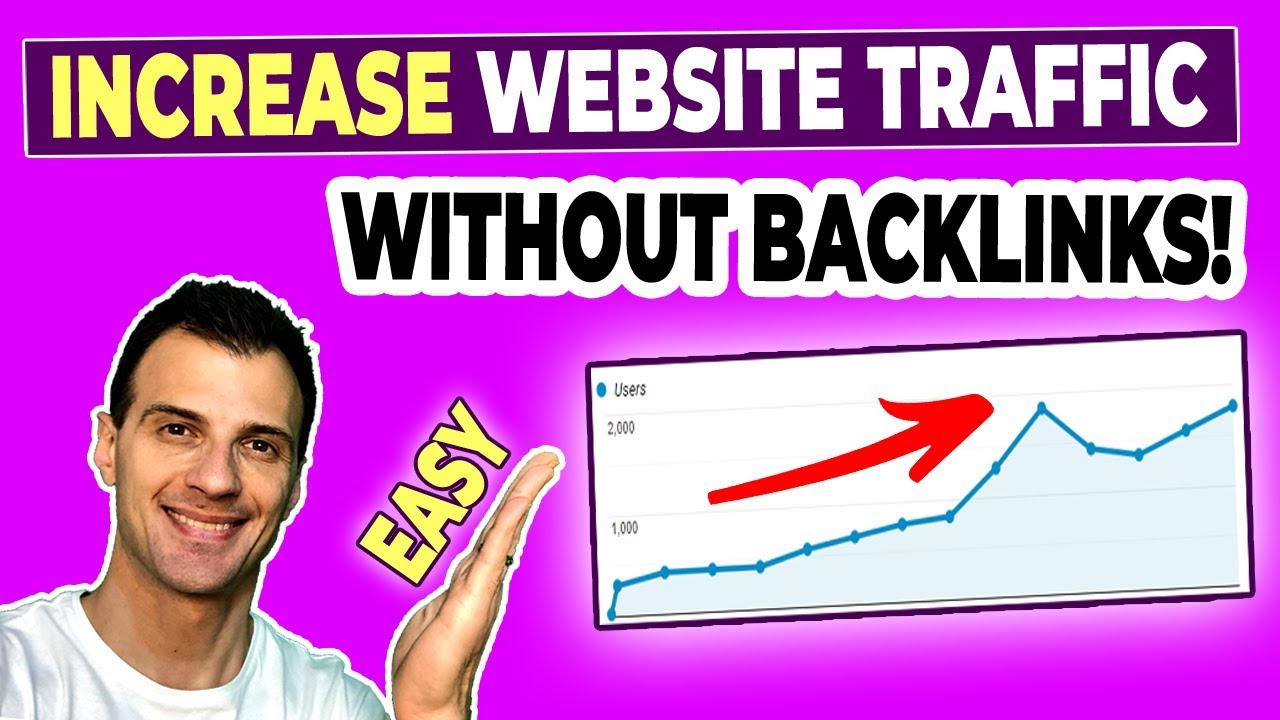
In 2026, Google’s algorithm has evolved significantly. While backlinks remain a ranking factor, they are no longer the dominant shortcut they once were. Google’s systems now heavily prioritize content quality, user experience (UX), search intent satisfaction, topical authority, engagement signals (like dwell time and bounce rate), technical health, and AI-driven evaluations such as Helpful Content System (HCS) updates and AI Overviews.
Many sites—especially newer or niche ones—achieve strong organic growth with minimal or zero high-quality backlinks by focusing on E-E-A-T (Experience, Expertise, Authoritativeness, Trustworthiness), semantic relevance, and making content genuinely useful. Backlinks help with authority, but you can build authority internally and through content depth instead.
This guide outlines proven, practical strategies to boost organic traffic in 2026 without relying on link-building campaigns, outreach, or guest posts. These methods emphasize sustainable, white-hat SEO that aligns with current Google priorities.
1. Master Search Intent & Keyword Research (The Foundation)
Ranking starts with understanding why people search, not just the keywords.
- Use tools like Google Keyword Planner, Ahrefs (free tier), or SEMrush to find long-tail, conversational, and question-based queries (e.g., “how to fix slow Wi-Fi on Windows 11 2026” instead of “fix slow Wi-Fi”).
- Prioritize low-to-medium competition keywords where top results lack depth or freshness.
- Analyze SERPs: Check Google’s AI Overviews, featured snippets, People Also Ask, and top 10 results. Create content that directly answers the intent better than competitors.
Pro tip: Target “informational + transactional” hybrid queries—content that educates and guides toward action often performs well without links.
2. Build Topical Authority with Content Clusters
Google rewards sites that demonstrate deep expertise on a subject (topical authority) over scattered posts.
- Choose 3–5 core topics your site can own.
- Create one comprehensive pillar page (ultimate guide, 3,000–6,000+ words) covering the broad topic.
- Surround it with 10–20 cluster articles that dive into sub-questions, each linking back to the pillar (and vice versa).
- Use internal linking strategically: descriptive anchors, hub-and-spoke structure.
This internal web of content signals authority to Google without external links.
3. Create High-Quality, Helpful, People-First Content
Google’s Helpful Content updates and AI systems detect thin, AI-spun, or outdated content.
- Write in-depth, original content backed by real experience (add author bios with credentials).
- Use clear structure: short paragraphs, bullet points, tables, H2/H3 headings, images with alt text.
- Answer questions comprehensively—cover related subtopics users might search next.
- Update old content regularly: refresh stats, add 2026 insights, improve formatting—Google loves fresh, maintained pages.
- Aim for longer dwell time: engaging intros, visuals, FAQs, and actionable steps keep users reading.
4. Optimize for AI Overviews, Featured Snippets & Zero-Click Searches
Even if users don’t click, appearing in AI Overviews or snippets builds brand visibility and indirect traffic.
- Structure content for snippets: lists, tables, definitions, step-by-step guides.
- Add schema markup (FAQ, HowTo, Article, Product) using JSON-LD—tools like Google’s Structured Data Markup Helper make it easy.
- Write direct, concise answers in the first 100–150 words for AI summaries.
- Target question formats: “What is…”, “How to…”, “Best… in 2026”.
5. Nail Technical SEO & Core Web Vitals
A technically sound site is non-negotiable—Google won’t rank slow or broken pages high.
- Ensure mobile-friendliness (responsive design).
- Achieve good Core Web Vitals: Largest Contentful Paint < 2.5s, Interaction to Next Paint < 200ms, Cumulative Layout Shift < 0.1.
- Use HTTPS, clean URL structure, XML sitemap, robots.txt.
- Fix crawl errors, 404s, duplicate content, and improve page speed (compress images, use CDN, lazy loading).
- Implement proper internal linking and breadcrumb navigation.
6. Improve User Experience & Engagement Signals
Google uses aggregated user behavior (click-through rate, dwell time, pogo-sticking) as indirect ranking signals.
- Fast-loading, intuitive design.
- Readable fonts, high contrast, ample white space.
- Clear navigation and internal search.
- Reduce bounce rate with related content sections (“You might also like”) and calls-to-action.
- Optimize for voice and mobile search (natural language, quick answers).
7. Leverage On-Page SEO Precision
Even without backlinks, perfect on-page elements help.
- Place primary keyword naturally in title, H1, first paragraph, URL.
- Use semantic variations and LSI terms (tools like LSIGraph help).
- Write compelling, benefit-focused meta titles and descriptions (60 chars title, 155–160 description).
- Optimize images: descriptive file names, alt text, compression.
Quick Comparison: Link Building vs. No-Link Strategies in 2026
| Approach | Time to Results | Sustainability | Risk Level | Key Focus Areas |
|---|---|---|---|---|
| Traditional Link Building | Medium–Long | Medium | Higher | Outreach, guest posts, directories |
| No-Backlink / Content-First | Medium–Long | High | Low | Topical depth, UX, technical health, intent |
Final Tips for 2026 Success
- Track progress with Google Search Console (impressions, clicks, positions) and Google Analytics.
- Be consistent: publish and update regularly.
- Focus on brand-building signals: consistent NAP (Name, Address, Phone) if local, author expertise, and social proof (testimonials, case studies).
- Avoid shortcuts: no AI-generated spam, keyword stuffing, or paid links—Google penalizes them harshly.
- For new sites: start with low-competition long-tail keywords to build momentum.
By doubling down on exceptional content, topical depth, technical excellence, and user satisfaction, many sites in 2026 achieve substantial organic growth without chasing backlinks. It’s slower than aggressive link-building but far more sustainable and penalty-resistant. Focus on being the best answer on the internet for your niche queries—Google will notice.