In today’s fast-paced world, AI tools have revolutionized how we acquire knowledge, making learning more efficient, personalized, and engaging. Whether you’re a student cramming for exams, a professional upskilling, or someone picking up a new hobby, these tools can dramatically accelerate comprehension, retention, and mastery.
As of March 2026, AI has evolved beyond basic chatbots into adaptive tutors, research assistants, and content transformers that tailor experiences to your pace and style. Here are some of the most powerful AI tools helping people learn faster right now.
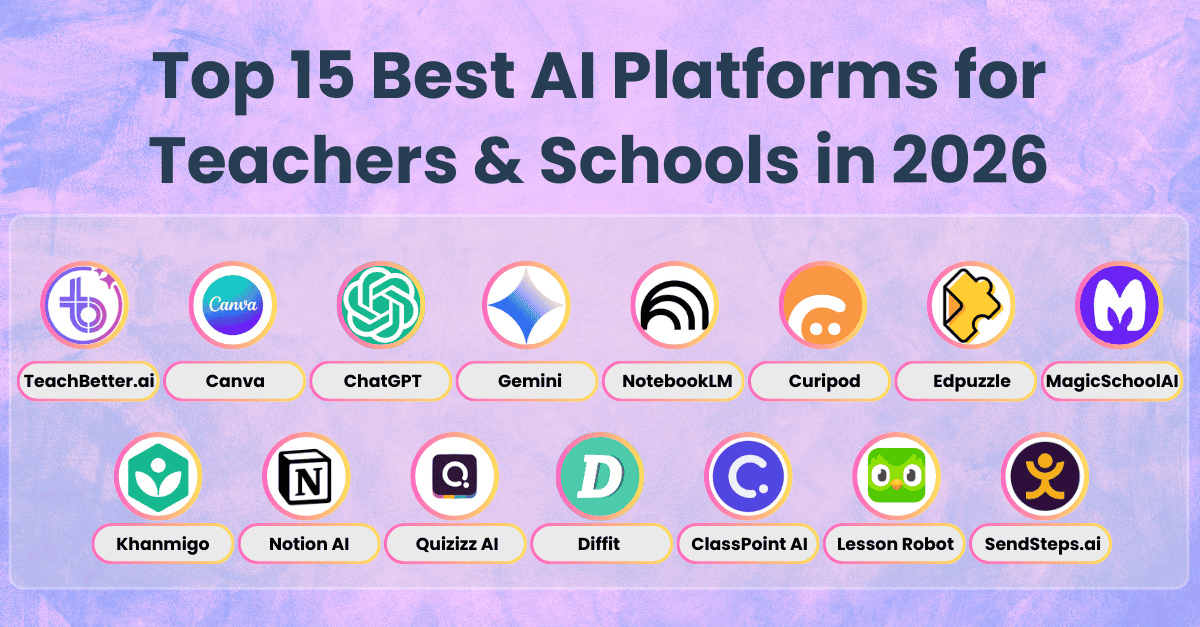
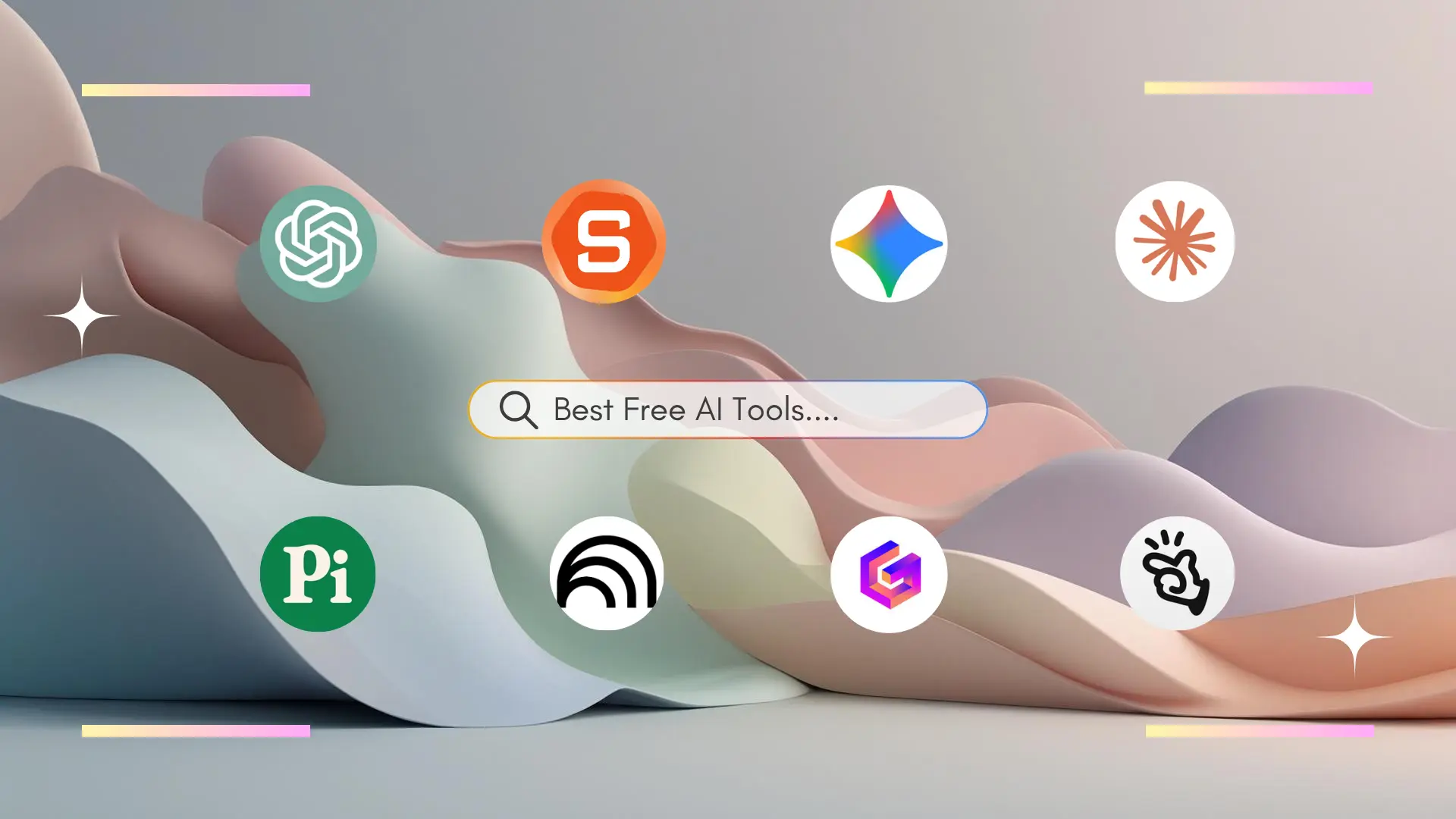
1. NotebookLM (Google)
NotebookLM stands out as one of the top recommendations for deep, focused learning. Upload your notes, PDFs, lecture transcripts, or even videos, and it creates a customized “study guide” — including summaries, timelines, FAQs, audio overviews (like podcast-style discussions between AI hosts), and mind maps.
This tool excels at synthesis: it connects ideas across sources, helping you grasp complex topics quickly without endless re-reading. Many users report compressing weeks of study into hours by turning raw material into interactive, digestible formats.
2. ChatGPT (OpenAI) / Claude (Anthropic) / Gemini (Google)
These general-purpose large language models remain essential for accelerated learning in 2026. Use them as on-demand tutors:
- Break down difficult concepts with simple analogies
- Generate practice questions, flashcards, or quizzes
- Explain step-by-step solutions (especially useful for math, coding, or science)
- Simulate conversations or debates to deepen understanding
Claude shines for structured, long-form explanations and following detailed instructions. Gemini integrates seamlessly with Google Workspace for pulling in docs or sheets. ChatGPT offers strong voice mode and multimodal capabilities (analyzing images or files).
Pro tip: Use prompt engineering — e.g., “Act as a Socratic tutor and guide me through this topic with questions” — to force active recall instead of passive reading, which boosts retention significantly.
3. Perplexity AI
For research-heavy learning, Perplexity is unbeatable. It combines real-time web search with clear, cited explanations — no more digging through SEO-heavy pages or ads. Ask anything, and get concise, sourced answers with follow-up questions built in.
It’s ideal for quickly building foundational knowledge in new subjects, fact-checking, or exploring topics deeply without getting lost in rabbit holes. Many learners use it to accelerate research phases by 5–10x.
4. Duolingo Max (with AI features)
Language learning has been supercharged by AI. Duolingo Max adds conversational practice with AI tutors that simulate real dialogues, correct pronunciation, and adapt difficulty on the fly. It feels like having a patient native speaker available 24/7, helping users reach conversational fluency much faster than traditional methods.
Similar AI enhancements appear in other apps for skills like music or coding.
5. Grammarly & QuillBot
These aren’t just for fixing errors — they accelerate writing and reading skills. Grammarly now offers tone suggestions, clarity rewrites, and full-sentence improvements, helping non-native speakers or technical writers learn professional communication rapidly.
QuillBot paraphrases, summarizes, and expands text, making it easier to understand dense academic papers or rephrase ideas in your own words (great for avoiding plagiarism while internalizing content).
6. Notion AI & Similar Productivity Integrations
In Notion (or tools like Obsidian with AI plugins), built-in AI summarizes pages, generates outlines, brainstorms connections between notes, and even creates study templates. This turns passive note-taking into an active knowledge-building system, helping spaced repetition and synthesis happen naturally.
Honorable Mentions
- Coursera Coach or similar platform AIs: Provide structured guidance and personalized recommendations in online courses.
- Anki with AI plugins or emerging flashcard generators: Automate card creation from notes for efficient memorization.
- Specialized tools like Synthesia (for video-based learning) or Gamma (AI slide decks): Turn text into visual explanations quickly.
Final Thoughts
The real power of these AI tools in 2026 isn’t replacement — it’s augmentation. They handle rote tasks, provide instant feedback, and personalize paths, freeing you to focus on critical thinking, application, and deep understanding.
To learn fastest: Combine tools (e.g., research with Perplexity → synthesize in NotebookLM → practice with ChatGPT) and always engage actively — quiz yourself, teach the AI what you learned, or apply concepts immediately.