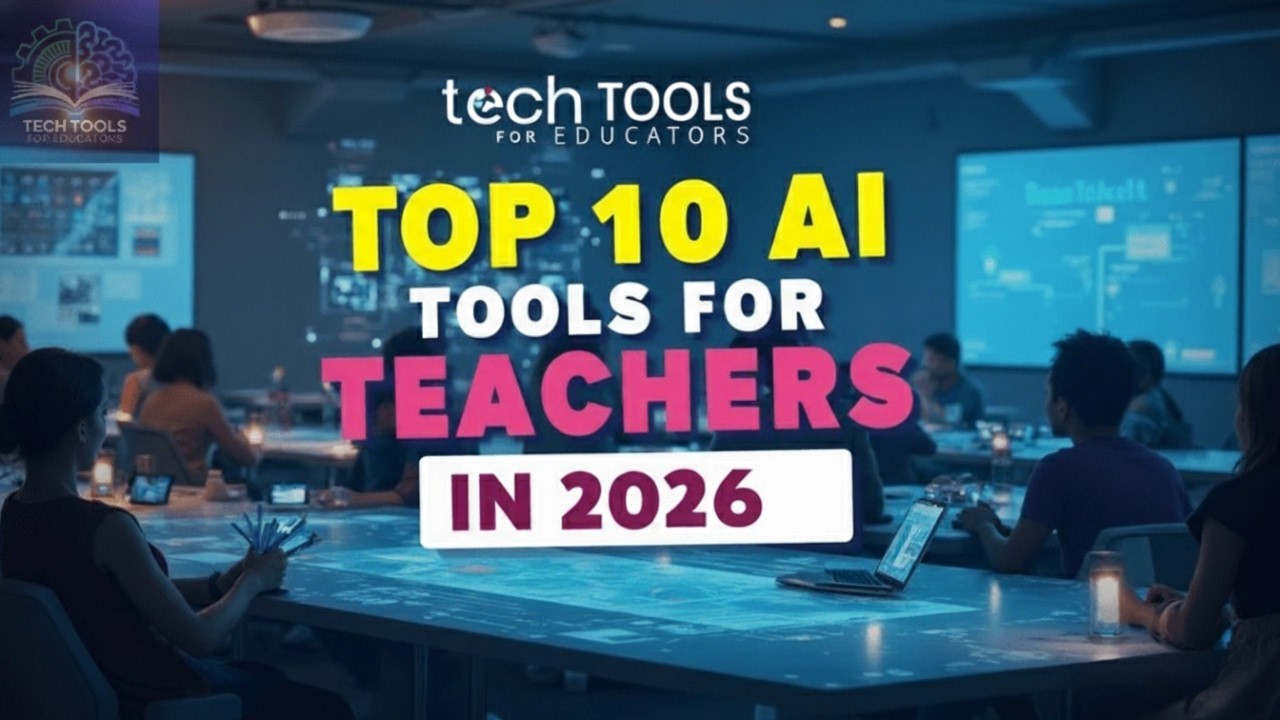
In 2026, artificial intelligence has transformed education from a supplementary aid into an essential part of student life. With advanced models like GPT-5 variants, multimodal capabilities, and specialized educational modes, AI tools now offer personalized tutoring, instant research, smart note-taking, writing assistance, and adaptive study planning. These tools help students learn faster, stay organized, and tackle complex subjects—while emphasizing ethical use to build genuine understanding rather than shortcuts.
Here are some of the best AI learning tools dominating student workflows this year, based on widespread adoption, free tier strength, and real impact on studying.
1. ChatGPT (with Study Mode)
ChatGPT remains the most versatile all-purpose AI tutor in 2026. OpenAI’s latest iterations (including GPT-5.3 Instant on the free plan) handle explanations, brainstorming, essay outlining, concept breakdowns, and even file analysis. The dedicated Study Mode promotes deeper learning through scaffolding, guided practice, checks for understanding, and avoiding direct answers—making it ideal for self-paced review.
- Best for: Homework help, exam prep, brainstorming ideas.
- Free tier highlights: File uploads, limited image generation, data analysis; generous for most daily needs.
- Pro tip: Use prompts like “Act as a Socratic tutor” for interactive sessions.
2. Google Gemini
Google’s Gemini stands out as a top performer in 2026, deeply integrated into Google Workspace (Docs, Sheets, Slides). It excels at multimodal tasks—analyzing images, videos, or PDFs alongside text—and provides accurate, up-to-date responses with strong reasoning.
- Best for: Research within familiar tools, math/science problems, productivity in Google ecosystem.
- Free tier highlights: Broad access with generous limits; embedded in school accounts for many students.
3. NotebookLM
Google’s NotebookLM has become a favorite for research-heavy students. Upload PDFs, lecture notes, or articles, and it generates summaries, study guides, timelines, FAQs, and even podcast-style audio overviews.
- Best for: Digesting long readings, creating study aids from sources, project research.
- Why it’s powerful in 2026: Handles large documents exceptionally well and focuses on source-grounded insights.
4. Perplexity AI
Perplexity combines search engine speed with AI reasoning, delivering cited, real-time answers without hallucinations. It’s like having a fast research assistant that pulls from current web sources.
- Best for: Fact-checking, quick research, academic queries needing references.
- Free tier highlights: Unlimited quick searches; great for avoiding outdated info.
5. Claude (Anthropic)
Claude (especially Sonnet 4.6 on free tier) shines for writing and long-context tasks. It handles massive documents better than most, offering detailed feedback on essays, structure suggestions, and summarization.
- Best for: Essay drafting/editing, literature analysis, in-depth feedback.
- Free tier highlights: Generous message limits for complex conversations; some universities offer expanded access.
6. Grammarly
The go-to writing companion, now supercharged with AI for tone adjustment, clarity suggestions, and full-sentence rewrites while maintaining your voice.
- Best for: Polishing essays, reports, emails; catching plagiarism risks.
- Free tier highlights: Core grammar, style, and tone checks—sufficient for most assignments.
7. Notion AI
Integrated directly into Notion workspaces, it helps with note organization, summarizing pages, generating to-do lists, and study templates.
- Best for: All-in-one productivity and knowledge management.
- Why students love it: Turns chaotic notes into structured databases and plans.
8. Wolfram Alpha (with AI enhancements)
Still the king for math, science, and computations. In 2026, its AI integrations make step-by-step solutions more conversational and visual.
- Best for: STEM subjects, equations, data analysis, graphing.
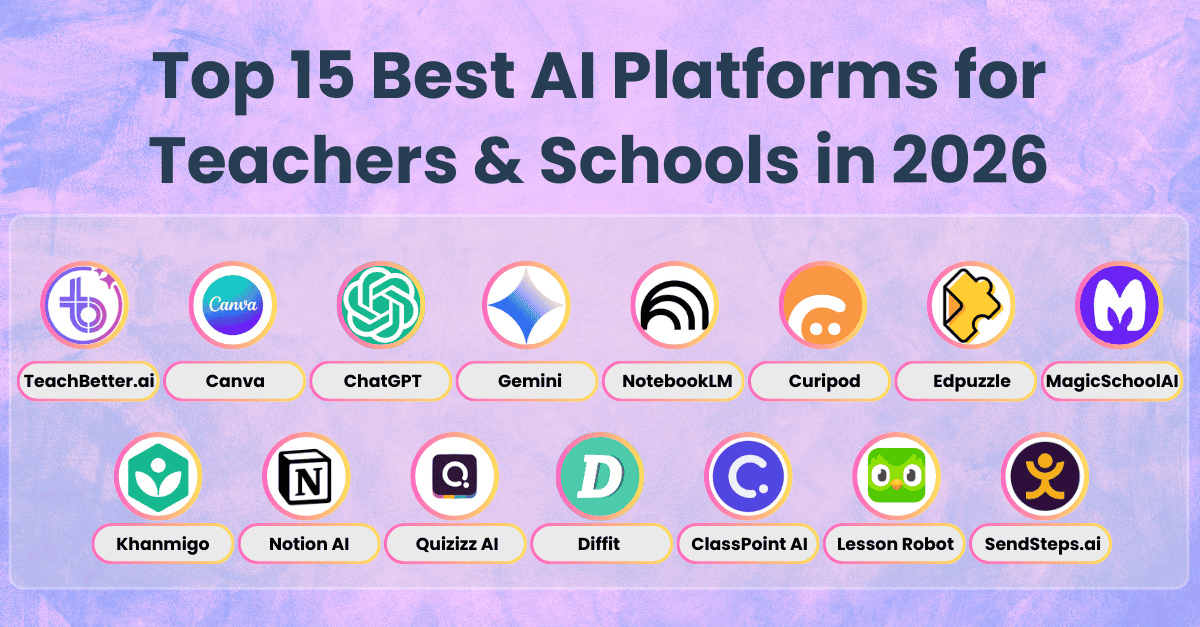
Other notable mentions include Khanmigo (Khan Academy’s AI tutor for structured courses), Canva AI (for presentations and visuals), and emerging platforms like TeachBetter.ai (structured learning workflows).
These tools are most effective when used ethically: treat them as tutors that guide your thinking, not replacements for effort. Many offer strong free tiers, and schools increasingly provide premium access through partnerships. Experiment to find your perfect stack—whether it’s Gemini + NotebookLM for research or ChatGPT + Grammarly for writing—and watch your productivity soar in 2026!